
 Image 1 of 2
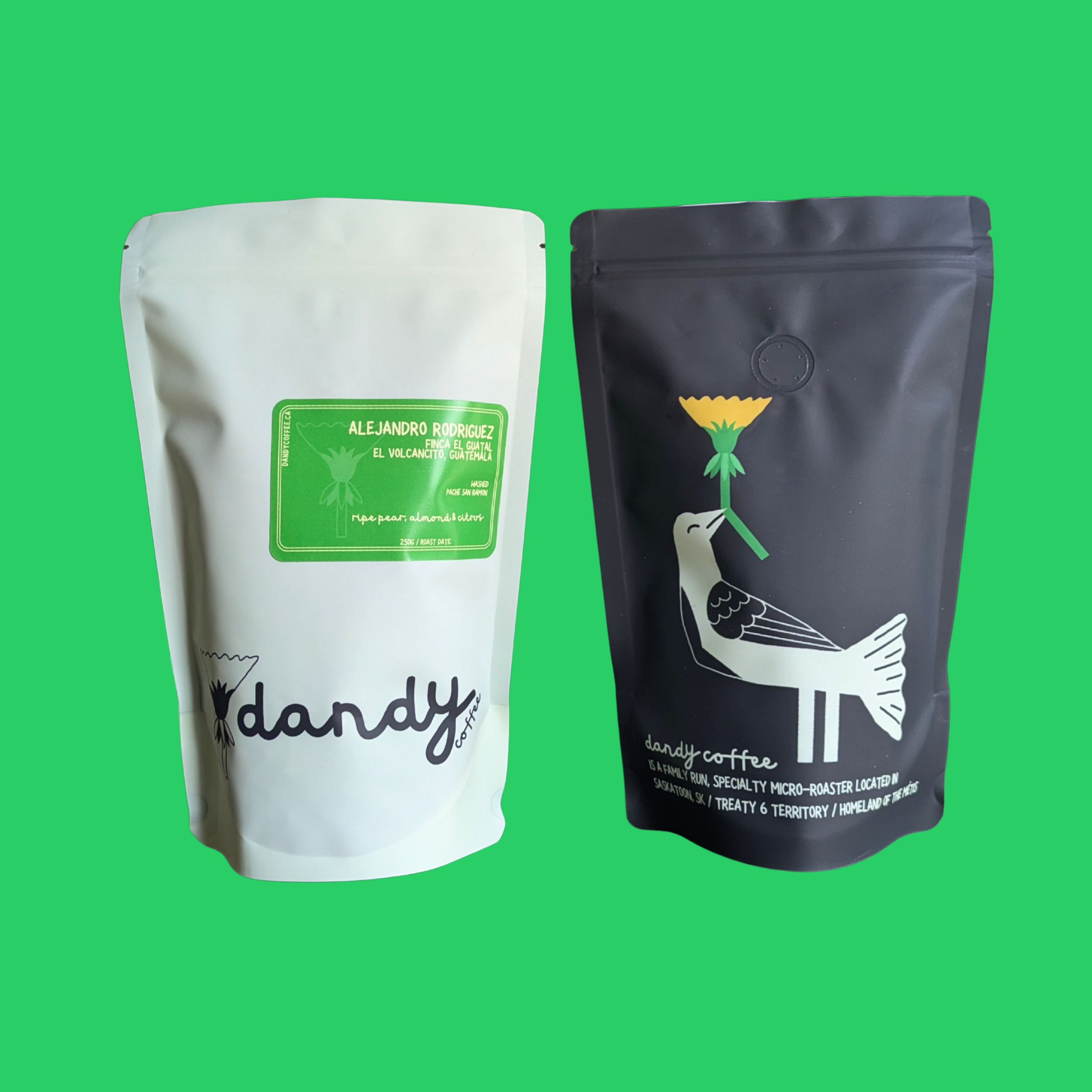 Image 2 of 2
What Did You Taste?
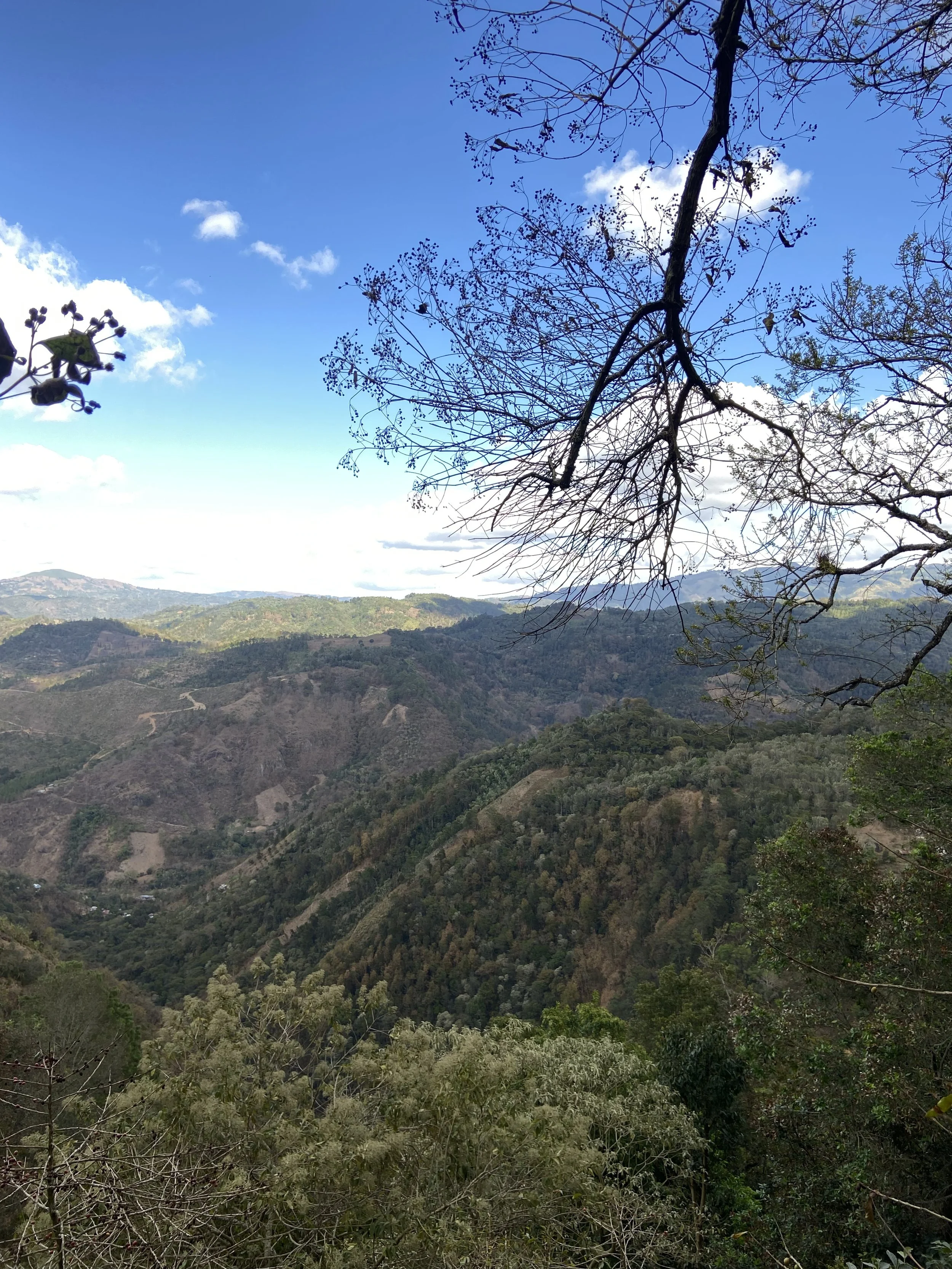
El Volcancito // GUATEMALA
image property of Semilla Coffee
From the Importer:
Processing details:
Cherries undergo a 24-hour anaerobic fermentation in cherry after being picked. They are then de-pulped without water, followed by 36 hours of dry fermentation in plastic bags. Coffee is then dried on raisedAfrican beds under direct sunlight for an average of 13 days.
Farmgate Price:
2,600 Quetzal/quintal parchment.
Regional farmgate price (2025):
1,800 Quetzal/quintal parchment.
FOB Price: $5.33 USD/lb
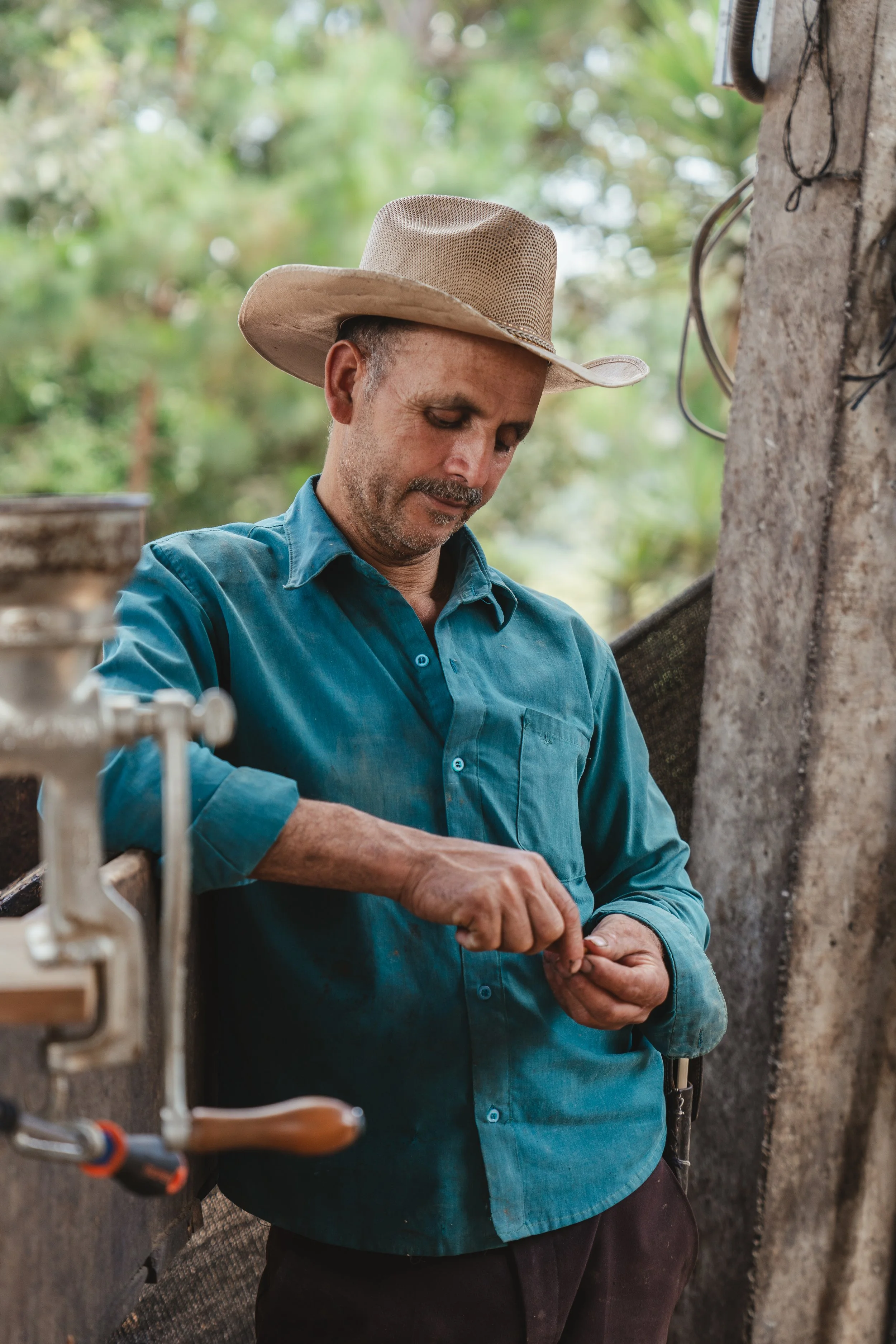
Alejandro Rodriguez // PRODUCER
image property of Semilla Coffee
Producer Details:
Alejandro Rodriguez, now in his 50’s, started as a coffee grower back when he was 13, when he planted his first coffee plot. The passion for growing coffee was a heritage passed down through two generations, beginning with his grandfather in the community of Volcancito. Originally a region known for sugarcane, Alejandro’s grandfather was one of the first people to transition the land to coffee cultivation. His father inherited those first coffee plots, and the family adapted their methods over time.
In those early days, the process was labour-intensive and rudimentary. Seeds were scattered directly onto the soil to germinate, and once the seedlings were ready, they were carefully uprooted to preserve the roots. Transporting the delicate seedlings, or "pilones", was a challenge. They were wrapped in maguey leaves and carried on horseback to new plots. These traditions and skills were passed down through the family, and Alejandro now teaches his children the craft of coffee farming.
Beyond farming, Alejandro has become a dedicated defender of his land. In 2013, he joined the “Resistencia” of the Xinca people when he became aware of the threats posed by silver mining activities in the region. By 2015, he started with some of his neighbours a community group called "Guardians of Nature", they are committed to protecting their territory through advocacy and action, and they have worked tirelessly to preserve their land and environment. In 2024, he began processing a small lot of coffee exclusively for exporting, a new endeavour born from his involvement with Café Resistencia—a group linked to the resistance movement. Recognizing the importance of collaboration, Alejandro donated land for the construction of a communal coffee mill and drying tunnels in Volcancito. He wanted to support the project this way because falling coffee prices had devastated the community, prompting many young people to migrate to the United States in search of better opportunities, leaving a sense of emptiness in their community. The Café Colis Resistencia project, however, has helped reverse this trend, reducing migration and restoring hope in the community. Alejandro is proud to have played a role in this transformative effort.