
 Image 1 of 2
 Image 2 of 2
What did you taste?
From the Importer:
Mong Coffee, led by Rexson Raguni (Rex) in Papua New Guinea’s Western Highlands, is one of the clearest examples of what becomes possible when process control meets long-term vision. In 2024 Rex became the first in PNG to implement slow drying at exportable scale, extending dry times to stabilize moisture, guard against fade, and enhance cup quality. Despite challenges in a cash-driven economy, the results proved that patience pays: slow-dried lots achieved higher scores, and with them higher prices. His consistency has since become a model for neighboring leaders, demonstrating that premiums tied to cup quality are real and achievable.
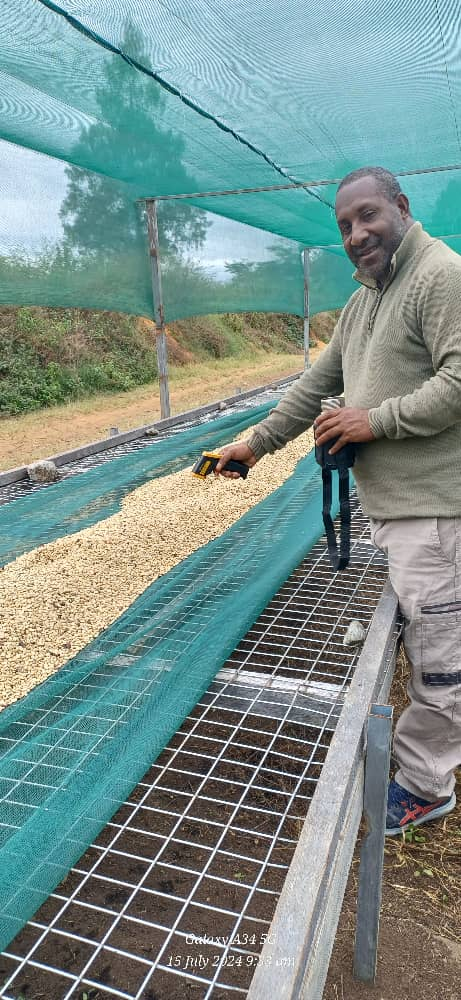
Rexson Raguni // PRODUCER
image property of Crop to Cup
For 2025, Rex has expanded shaded drying space and added natural processing to his repertoire, alongside larger volumes of slow-dried washed. Early deliveries suggest ~200 bags of slow-dried washed and ~50–70 bags of naturals this season. At Mong Coffee’s drying patios you’ll find raised beds, shade nets, and Rex himself—always with a temperature gun in hand—closely monitoring every stage.
Country Context:
Coffee in Papua New Guinea is concentrated in the Highlands, where decent altitude, volcanic soils, and rainfall create the foundation for some of the most complex cup profiles in the Pacific. The Western Highlands around Mt. Hagen, the Central Highlands, and the Eastern Highlands near Goroka remain the core producing areas, though smaller pockets like elsewhere continue emerging, with the vast majority of all production fully washed.
More than 80% of PNG’s coffee comes from smallholders with tiny plots and very low yields. Most pulp by hand, ferment in bags or buckets, and dry on tarps before selling parchment to local buyers. From there coffee moves through layers of intermediaries before reaching exporters in towns like Goroka and Hagen. Specialty quality emerges through centralized collection: estates with their own mills, or washing stations that send trucks into remote valleys to buy cherry and enforce standards on ripeness, fermentation, and drying.
Attempts at farmer organization have met both promise and difficulty. PNG is home to hundreds of languages, and cooperation rarely extended beyond a single village or clan. Many Highlands communities only connected to markets after the Highlands Highway opened in the 1950s—and to this day, coffee still moves by prop plane from bush airstrips where roads do not reach. Yet examples like AAK Cooperative, which unites dozens of otherwise isolated “house-line” communities, show what coordinated structure can achieve. Alongside this, a new generation of private collectors are offering smallholders more direct outlets to buyers and creating traceable lots that sidestep the traditional middleman system.
PNG’s potential remains immense but fragile. Each harvest is shaped by whether groups maintain cohesion, whether washing stations stay active, and whether parchment makes it past intermediaries without being sold elsewhere. The country offers extraordinary coffees and cultural diversity, but turning that potential into reliable, traceable supply remains as challenging as it is rewarding.
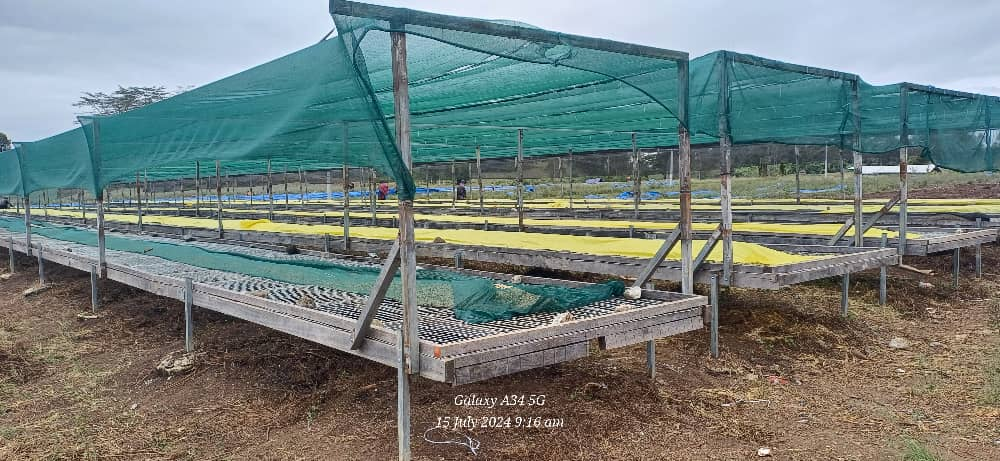
Mong Coffee // FARM
image property of Crop to Cup